The five contract clauses most Australian SMEs get wrong
Most employment contract problems are invisible until the day they cost you money. Here are the five clauses we see drafted wrong most often in Australian small businesses, and what good looks like.
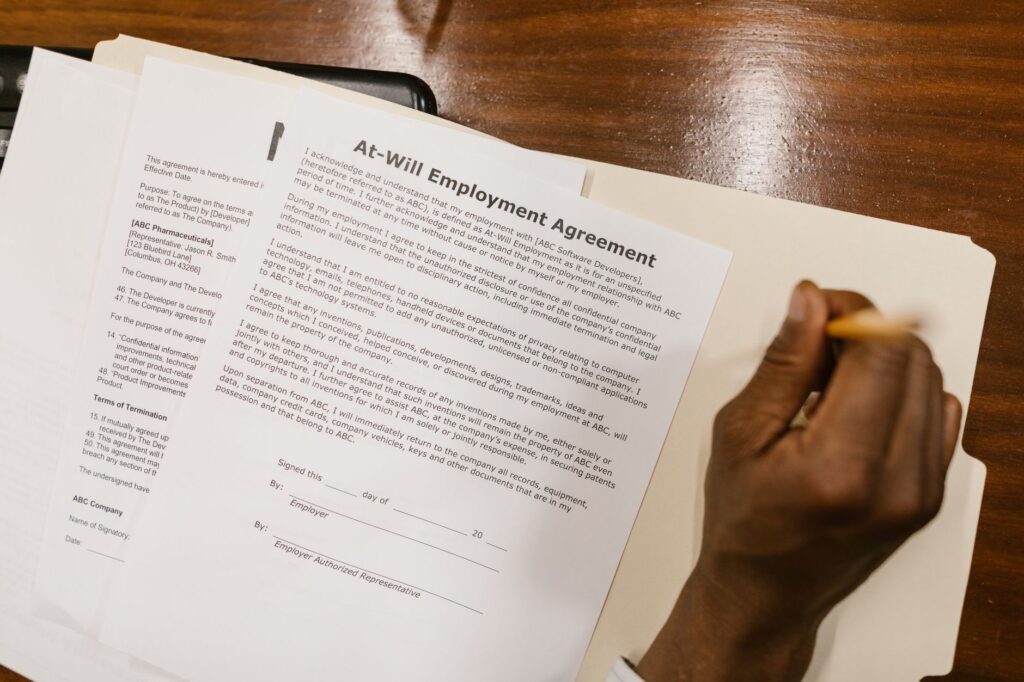
Nobody reads an employment contract twice. It gets signed, filed, and forgotten, right up until a dispute, a resignation or a Fair Work claim drags it back onto your desk. That is exactly when a clause you copied from a template five years ago decides how expensive your week is about to get.
These are the five clauses we see drafted wrong most often when we run HR health checks for Australian small and mid-sized businesses.
1. Probation clauses that promise more than they can deliver
Plenty of contracts still say something like “employment may be terminated freely during the six month probation period.” Here is the catch: probation is a contractual idea, not a legal shield. What actually matters is the minimum employment period under the Fair Work Act: six months for larger employers, twelve months for small businesses with fewer than 15 staff. An employee cannot lodge an unfair dismissal claim inside that period, but general protections and discrimination claims have no waiting period at all.
The fix is not a longer probation clause. It is a proper check-in process during the first months, notes you actually keep, and decisions made before the window closes, not after.
2. Notice periods that undercut the award or the NES
A contract can give more notice than the legal minimum, never less. We still regularly find contracts with one week of notice for employees who are entitled to three or four weeks under the National Employment Standards once you count their service and age. When the contract and the law disagree, the law wins, and the employer usually finds out at the worst possible moment: during a termination they thought was squared away.
3. Restraints of trade written like wishful thinking
The classic template restraint stops a departing receptionist from working “in any competing business anywhere in Australia for two years.” Courts read restraints narrowly, and an overreaching one is at real risk of being unenforceable, which means it may protect nothing at all. A restraint worth having is specific: a defined client list, a realistic geography, a period you can justify. One page of tailored drafting beats three pages of intimidation that will not survive a challenge.
4. Annualised salary clauses with no reconciliation behind them
“Your salary covers all award entitlements” is the most dangerous sentence in Australian contract drafting. A set-off clause can work, but only if the salary genuinely covers overtime, penalties and allowances the award would have paid, and someone actually checks. Since 1 January 2025, intentional underpayment is a criminal offence, and honest mistakes still come with back-pay bills that reach years into the past. If nobody in your business has reconciled salaries against the award since the 1 July 2026 rate increases, that is a job for this quarter, not next year.
5. Casual clauses that do not match reality
The definition of casual employment now looks at the real pattern of work, not just the label in the contract. A “casual” who has worked the same four shifts every week for a year, with no genuine ability to swap or refuse, is a permanent employee wearing the wrong contract. That mismatch carries leave entitlements, conversion obligations and back-pay risk. If the roster is regular, treat the role as what it actually is.
What to do about it
You do not need 40 pages of legalese. You need contracts written for your business, checked against the awards that actually cover your people, and reviewed when the rules move, which lately is every year. That is standard work for a fractional HR team, and it is a lot cheaper than the alternative.
Not sure which of these five is hiding in your contracts? Book a 20 minute call with ACTIv8. We will tell you straight what needs fixing and what can wait.