RBA rate hike warning: real cost impact on offshore staffing for SMEs
The RBA’s hinted rate rise on 24 September 2026 adds a tangible cost pressure on offshore staffing for Australian SMEs. This post breaks down the numbers, tax twists and red-tape risks, then gives you a budgeting playbook for the next quarter.
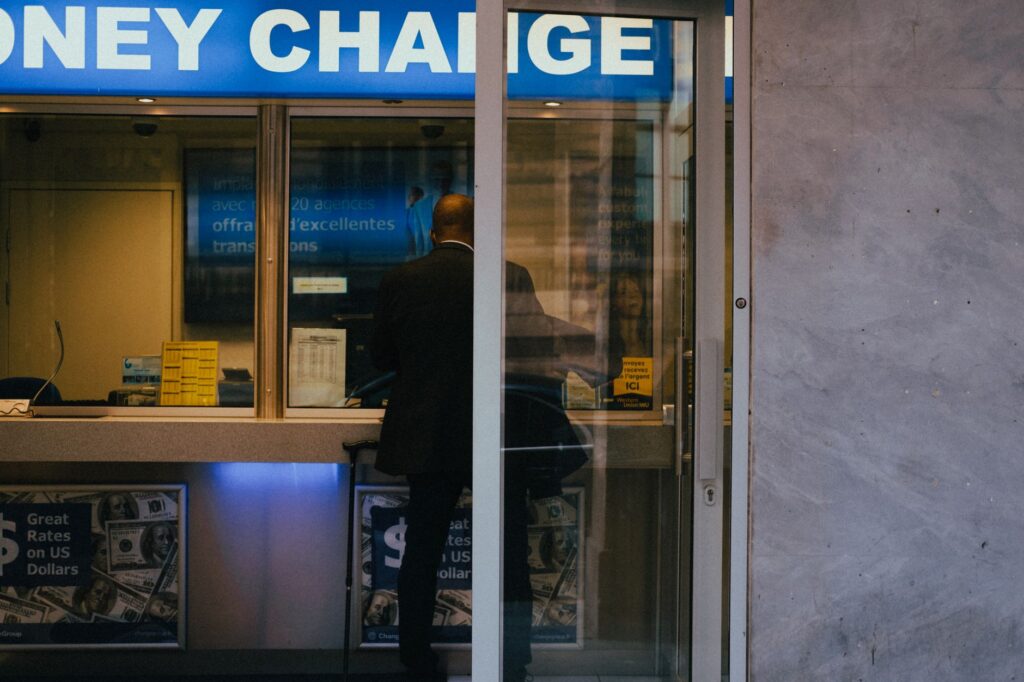
The RBA signalled another rate rise on 24 September 2026 as jobs data blurred, a move that will push borrowing costs higher for small businesses that rely on offshore staff to keep payroll lean.
How a higher cash rate translates into offshore staffing spend
When the cash rate climbs, the cost of a typical SME line of credit can jump from 5.5 per cent to around 7 per cent, according to the CFOtech report. For a business that finances a $150,000 offshore payroll, that extra 1.5 per cent means an additional $2,250 in interest each year. Add the same uplift to a $300,000 contract for a specialised offshore team and you’re looking at $4,500 more in financing costs. Those dollars quickly erode the savings that offshore hiring normally delivers, especially when you factor in the 20 per cent tax rate proposal floated by NZFirst on the same day, which could raise the effective tax burden on profit margins for Australian SMEs with cross-border operations. In plain terms, a $10,000 rise in financing cost can shave 2-3 per cent off your net profit if you’re not prepared.
NZFirst’s 20% SME tax plan adds another layer of expense
The mirage-news story on 24 September 2026 highlighted NZFirst’s campaign for a flat 20 per cent tax rate for SMEs. While the policy targets New Zealand firms, Australian owners with offshore teams in the region may see indirect pressure as suppliers adjust pricing to protect margins. If your offshore partner in Auckland raises rates by just 1 per cent to cover the new tax, a $200,000 annual contract could cost an extra $2,000. Combined with the RBA-driven interest increase, that’s a $4,250 hit in the first year. The key takeaway for Australian SME owners is that tax and interest shocks often arrive together, turning a modest offshore budget into a moving target.
Red tape and compliance: hidden costs that swell offshore budgets
The Australian piece on 21 September 2026 warned that “red tape kills” small businesses. Compliance requirements for overseas hires – such as work-hour tracking, data-privacy agreements and cross-border superannuation – can add up to $1,500-$3,000 per year per offshore employee. Those figures are not in the headline rate discussion but they matter when you stack them against a higher cash rate. For a five-person offshore team, the compliance burden could be $7,500 annually, which, when added to the financing uplift, pushes total incremental cost beyond $10,000. Ignoring these hidden expenses can leave owners scrambling for cash when the quarterly payroll hits.
Practical budgeting steps to protect your offshore advantage
First, lock in a fixed-rate line of credit before the RBA decision finalises; a 5-year term at today’s 5.5 per cent shields you from the upcoming hike. Second, renegotiate offshore contracts to include a cost-pass-through clause for interest or tax changes – a simple bullet in the agreement can prevent surprise invoices. Third, build a 3-month cash reserve specifically for compliance fees, as recommended by the Australian Business Chamber in the same article that warned about red tape. Finally, run a quarterly variance analysis: compare actual offshore spend against the budgeted $150,000 baseline, flag any deviation over 5 per cent, and adjust staffing levels or hours accordingly. These steps keep the offshore model profitable even when the RBA tightens.
Why fractional HR and an offshore team can soften the blow
Having a fractional HR partner means you get senior HR expertise without the full-time salary, and it helps you navigate the compliance maze highlighted in The Australian story. ACTIv8’s how ACTIv8 works model provides the oversight you need for payroll, super and data-privacy, while keeping costs predictable. Pair that with an offshore team that works Australian Eastern Standard Time, you retain control and avoid the hidden overtime penalties that often arise with misaligned shifts. Check the plans and pricing page to see how a blended approach can keep your total offshore spend under the $10,000 incremental threshold we outlined earlier.
If the people stuff keeps landing on your desk, talk to ACTIv8. A senior HR team behind your business, working your hours, billed monthly and never upfront.